
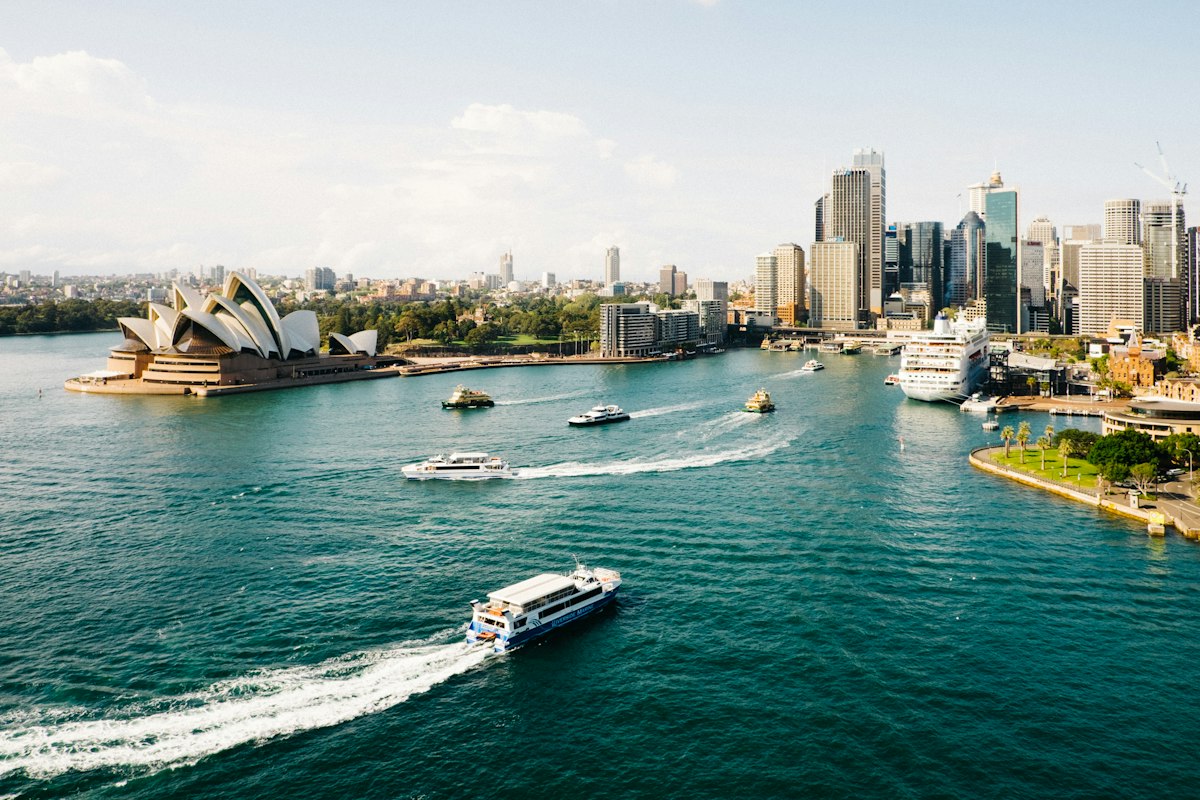
Australia's education system consistently ranks among the world's best. Here's a practical guide to choosing the right university, understanding the real costs, and maximising your post-study work rights.
Australia is home to 8 universities in the world's top 100, a welcoming multicultural society, and some of the most generous post-study work rights in the world. For Indian students from Gujarat, it remains a top-three destination for good reason. Australia's University Tiers The Group of Eight (Go8) are Australia's eight most research-intensive universities: University of Melbourne, Australian National University, University of Sydney, University of Queensland, Monash University, University of Western Australia, University of Adelaide, and UNSW Sydney. These carry the highest global reputation and offer the strongest research opportunities but also carry higher tuition fees. Outside the Go8, universities like RMIT, Curtin, Griffith, La Trobe, Deakin, and Swinburne offer excellent practical and industry-focused programs, often at lower fees and with higher acceptance rates for international applicants. Tuition Fees and Living Costs Annual tuition for international students ranges from AUD 20,000 at regional universities to AUD 45,000 for medicine or dentistry at Go8 institutions. Engineering and IT programs typically fall between AUD 28,000 and 38,000. Living costs depend heavily on city. Sydney and Melbourne are the most expensive at AUD 20,000 to 25,000 per year including rent, food, transport, and personal expenses. Cities like Brisbane, Perth, Adelaide, and regional campuses cost AUD 14,000 to 18,000 annually. Student Visa (Subclass 500) Requirements You need an electronic Confirmation of Enrolment (eCoE) from your institution, proof of Overseas Student Health Cover (OSHC), financial capacity to cover tuition and living costs, English proficiency (IELTS 6.0 to 6.5 or equivalent), and a Genuine Temporary Entrant (GTE) statement explaining why you want to study in Australia and intend to return. The GTE is a critical component a weak statement is the most common reason for refusal. Post-Study Work Rights: Temporary Graduate Visa (Subclass 485) This is one of Australia's biggest selling points. After completing a degree in Australia you can apply for the subclass 485 visa: - Bachelor or honours degree: 2 years - Master's by coursework: 2 years - Master's by research: 3 years - Doctoral degree: 4 years Students who studied in regional Australia or completed qualifications in a critical skill area can receive additional years. Working During Studies Student visa holders can work up to 48 hours per fortnight during the academic term and unlimited hours during vacation periods. The Australian minimum wage is AUD 23.23 per hour as of 2025, meaning part-time work can meaningfully offset living costs. Pathways to Australian PR After working in Australia on a 485 visa, skilled workers can apply for Employer Sponsored visas (subclass 482/186), the skilled independent visa (subclass 189) via SkillSelect, or state and territory nominated visas (subclass 190). Engineering, nursing, accounting, IT, and construction are among the most in-demand occupations. Popular Programs for Indian Students Information Technology, especially cybersecurity and data analytics, continues to see high employment rates. Engineering (civil, electrical, mechanical) has strong PR pathways. Accounting and professional services remain consistently popular. Nursing and allied health have direct PR pathways with near-100% employment rates post-graduation. The VisaNova Global team has direct relationships with admissions offices at Monash, Griffith, La Trobe, Curtin, Deakin, RMIT and more. We can often facilitate faster offer letters and advise on which campuses and programs give you the best balance of cost, quality, and PR outcome.